Trenching for Utilities: What It Means for Your Property
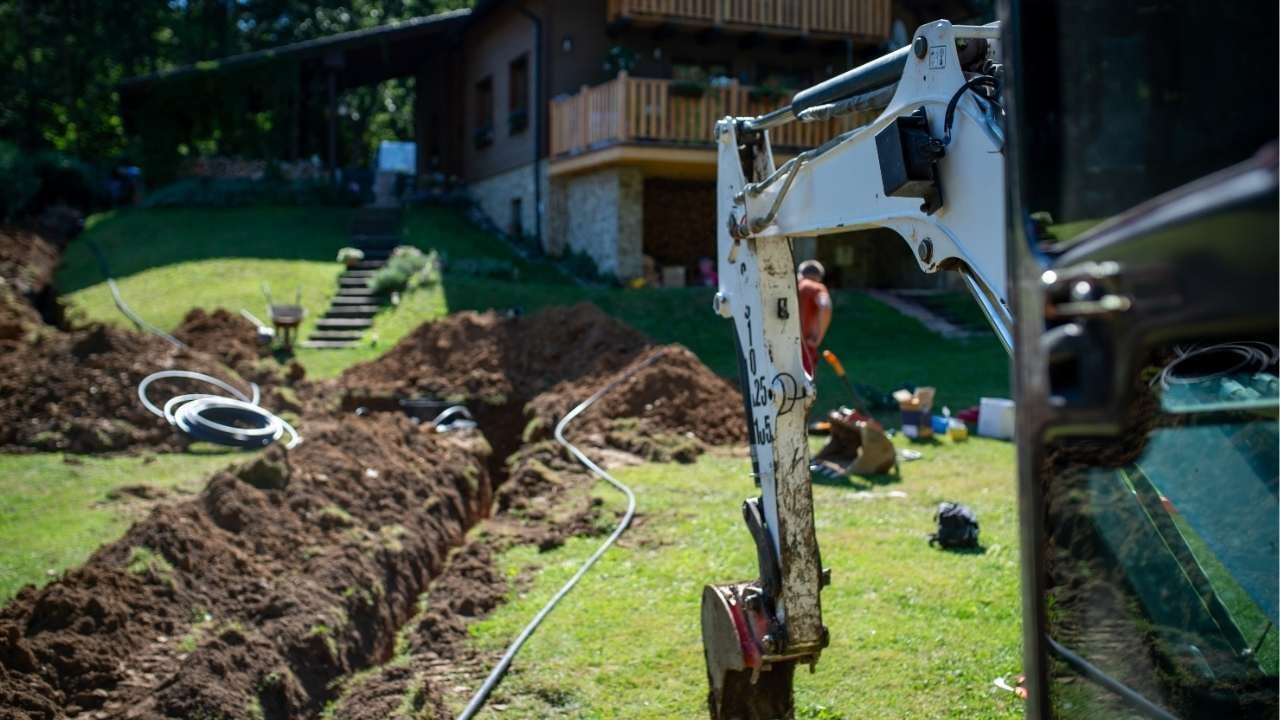
When you see a long, narrow trench cut into the ground on a property, it might look like simple digging. In reality, it’s a precise construction process that supports essential systems like water, gas, electrical lines, and drainage. Trenching plays a critical role in making modern homes and businesses functional.
In this guide, you’ll learn what utility trenching is, why it matters for your property, how the process works, and what homeowners should expect before excavation begins.
Understanding Utility Trenching
Trenching for utilities is the process of digging narrow excavations in the ground to install or repair underground service lines. These trenches allow contractors to safely place pipes, cables, and other infrastructure beneath the surface.
Many homeowners first learn about trenching when they search for an “excavation contractor near me in Spencer MA,” while planning construction or utility upgrades. Whether installing new water lines or connecting to municipal systems, trenching is often the first step.
Common utilities installed through trenching include:
- Water supply lines
- Sewer and drainage pipes
- Electrical conduits
- Gas lines
- Fiber-optic communication cables
Each trench must be carefully planned so the utilities remain protected underground while still being accessible for maintenance.
Why Trenching Matters for Your Property
Utility trenching may happen below the surface, but its impact on your property is significant. Proper excavation ensures that vital services function safely and efficiently for years.
Key benefits of professional trenching include:
- Reliable infrastructure: Properly installed utility lines reduce the risk of leaks, outages, or failures.
- Property safety: Correct trench depth and placement protect pipes and cables from damage.
- Future access: Well-planned trenches allow technicians to locate and repair utilities when needed.
- Compliance with local codes: Professional contractors follow regulations that prevent costly mistakes.
Experienced crews often provide integrated plumbing and excavation work, which helps streamline projects that involve underground water or sewer systems.
What Happens During the Trenching Process
Utility trenching involves more than simply digging a hole in the ground. Contractors follow a structured process to ensure safety and accuracy.
Here’s what typically happens during a trenching project:
1. Site Evaluation
The contractor evaluates soil conditions, property layout, and existing underground utilities.
2. Utility Marking
Before digging begins, existing lines are located and marked to avoid accidental damage.
3. Excavation
Specialized equipment creates trenches at the correct depth and width for the utility being installed.
4. Installation
Pipes, cables, or conduits are placed inside the trench and secured.
5. Backfilling and Compaction
Soil is returned to the trench and compacted to restore the ground surface.
Contractors working within a defined service area also ensure that the trenching work meets local regulations and utility standards.
Case Study: Utility Trenching for a New Home Build
A homeowner in Massachusetts recently purchased a rural property to build a custom home. The lot had no existing water or sewer connections, meaning utility infrastructure had to be installed from scratch.
An excavation team first surveyed the land and mapped the route for water, sewer, and electrical lines. Over several days, trenches were carefully dug from the road connection point to the home’s foundation.
Pipes and conduits were placed inside the trenches, inspected, and then backfilled. By coordinating the trenching with other construction steps, the project stayed on schedule and avoided costly rework. The result was a fully connected property ready for safe, long-term utility use.
How Homeowners Can Prepare for Trenching Work
If trenching is planned for your property, a little preparation can make the process smoother.
Before excavation begins:
- Clear vehicles, equipment, and debris from the work area
- Identify landscaping or structures that need protection
- Ask your contractor about timelines and site access
- Confirm permits and inspections are in place
Professional trenching crews will also communicate clearly about temporary disruptions, especially if driveways or yards are involved.
The Bottom Line
Trenching for utilities may not always be visible once a project is complete, but it’s one of the most important steps in building reliable infrastructure for your property. Proper excavation protects critical systems and ensures your home or business runs smoothly for years.
If you’re planning a construction project or need underground utility work, working with experienced professionals is essential. Reach out to a trusted excavation team to discuss your project and get expert guidance before digging begins.
You might also like