Land Clearing vs. Grading: Which Does Your Project Need?
Starting a construction or landscaping project is exciting, but it can also be confusing when you encounter technical terms like land clearing and grading. Many property owners assume they’re the same thing, yet they serve very different purposes.
Understanding the difference can save you time, money, and major headaches down the road. In this article, you’ll learn what land clearing and grading actually involve, when each one is necessary, and how to determine which service your project truly needs.
What Is Land Clearing?
Land clearing is the first step in preparing a piece of property for construction or landscaping. It focuses on removing obstacles that prevent development or proper site preparation.
This process eliminates natural and man-made materials that stand in the way of your project.
Typical land clearing tasks include:
- Removing trees, shrubs, and heavy vegetation
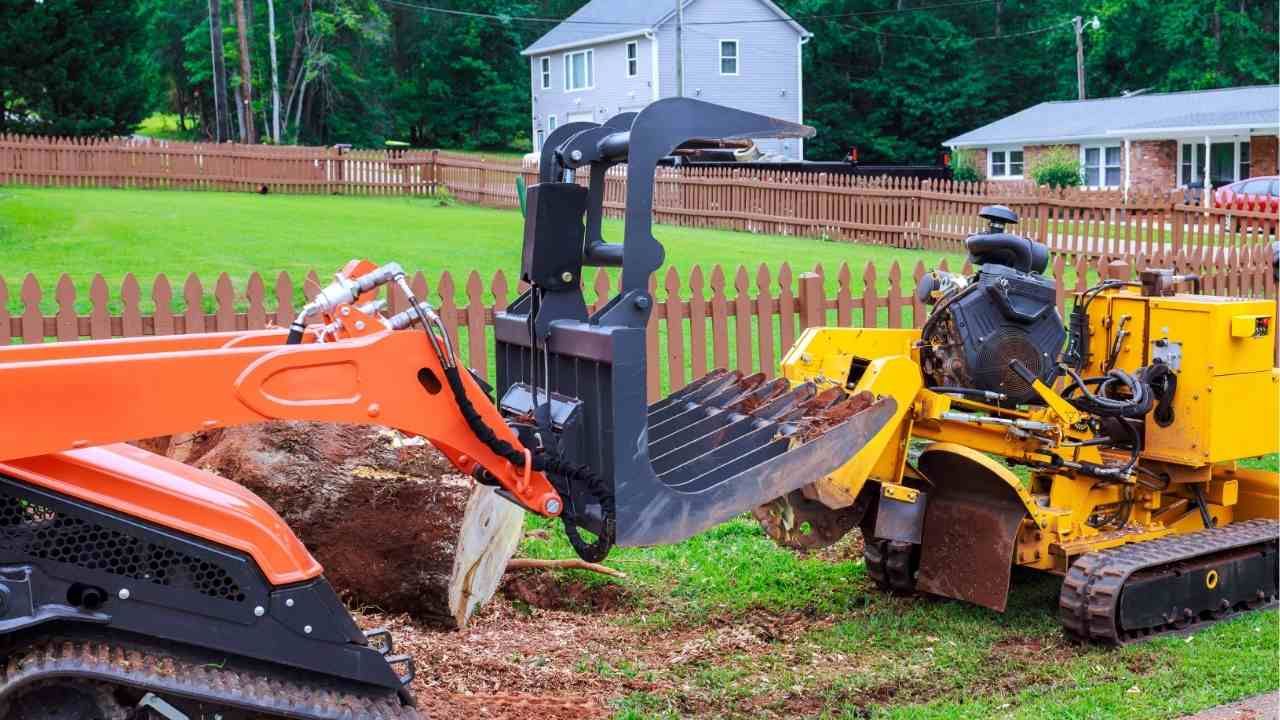
- Clearing brush and roots from the soil
- Eliminating rocks, debris, and stumps
- Preparing raw land for future work
For many property owners seeking excavation services Spencer MA, land clearing is the initial phase that opens up the site for construction, landscaping, or utility installation.
Without proper clearing, crews cannot access the ground easily, and equipment may struggle to operate efficiently. Clearing ensures that the site is safe, accessible, and ready for the next stage of development.
However, clearing alone doesn’t prepare the land for building. That’s where grading becomes essential.
What Is Land Grading?
Land grading focuses on shaping and leveling the ground after it has been cleared. Instead of removing vegetation, grading modifies the slope and elevation of the soil.
The goal is to create a stable and functional surface.
Grading is commonly used for:
- Creating level foundations for buildings
- Improving drainage and water flow
- Preventing flooding or soil erosion
- Preparing surfaces for driveways, patios, and hardscapes
Proper grading ensures that water flows away from structures rather than toward them. Without it, even a beautiful construction project could suffer from drainage issues, foundation damage, or long-term structural problems.
Professional contractors use specialized equipment such as bulldozers, graders, and compactors to achieve the correct slope and soil stability.
When You Need Land Clearing
Land clearing is typically required when a property is still in its natural state or heavily overgrown.
You’ll likely need clearing if your property has:
- Dense trees or forested areas
- Thick brush or overgrown vegetation
- Large stumps or buried roots
- Debris or obstacles from previous structures
Clearing is also common for rural land development, agricultural expansion, and property improvement projects.
For example, if you recently purchased undeveloped land and plan to build a home, clearing is the first step before any home excavation or foundation work begins.
Once the site is cleared, contractors can move forward with grading, excavation, and construction planning.
When You Need Land Grading
Grading usually comes after clearing or when land already exists but needs reshaping.
You may need grading for projects such as:
- Preparing a foundation for a house or building
- Installing driveways or outdoor living spaces
- Correcting drainage problems around your property
- Leveling uneven ground for landscaping
Even properties that appear relatively flat can have subtle slopes that cause water to pool in unwanted areas. Professional grading ensures the soil is compacted and shaped properly to prevent future issues.
In many construction projects, grading and clearing work together as part of a larger site preparation process.
Case Study: Preparing a Residential Build Site
A homeowner purchased a wooded lot with plans to build a single-family home. The property contained dozens of mature trees, thick underbrush, and uneven terrain.
First, contractors performed land clearing to remove trees, roots, and debris. This step created open access to the building site.
Next, the team graded the property to create a level foundation pad and proper drainage slope away from the future home. The grading also prepared areas for a driveway and outdoor landscaping features.
By combining both services, the project avoided water drainage issues and ensured the home foundation would remain stable for years to come.
Choosing the Right Service for Your Project
The truth is, most construction and landscaping projects require both land clearing and grading at different stages.
Here’s a simple way to think about it:
- Land clearing removes obstacles from the site
- Land grading shapes and levels the ground
If your property is undeveloped or heavily wooded, clearing usually comes first. If the land is already open but uneven, grading may be the primary service you need.
Working with experienced professionals ensures your property is properly prepared before construction begins.
Get Expert Help for Your Site Preparation
Before breaking ground on your next project, make sure your land is properly prepared.
Get in touch with a qualified site preparation professional who can evaluate your property and recommend the right solution for your needs.
You might also like