Planning an Outdoor Kitchen? Don’t Skip the Excavation Phase
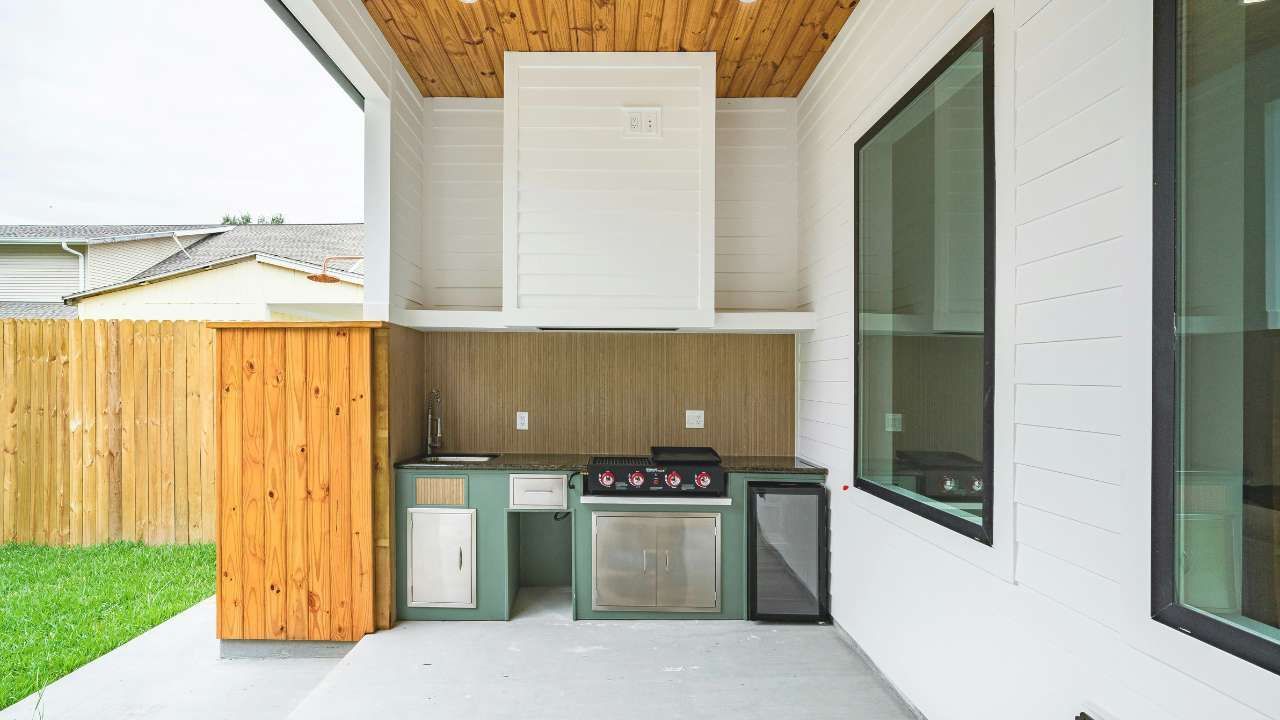
An outdoor kitchen looks effortless when it’s finished; clean lines, solid counters, and a layout that just works. What most homeowners don’t see is that everything depends on what happens before the first stone is set. Skip or rush excavation, and you’re setting yourself up for cracked surfaces, drainage problems, and costly repairs down the road.
This article breaks down why excavation is the backbone of a successful outdoor kitchen, what actually happens during this phase, and how doing it right protects your investment from day one.
Excavation Is Where Outdoor Kitchens Are Won or Lost
An outdoor kitchen isn’t just a grill on a patio, it’s a permanent structure that needs a stable base. In areas like New England, soil movement, frost heave, and water runoff can destroy poorly prepared foundations fast. That’s why landscaping Spencer MA projects must start below the surface, not at the design board.
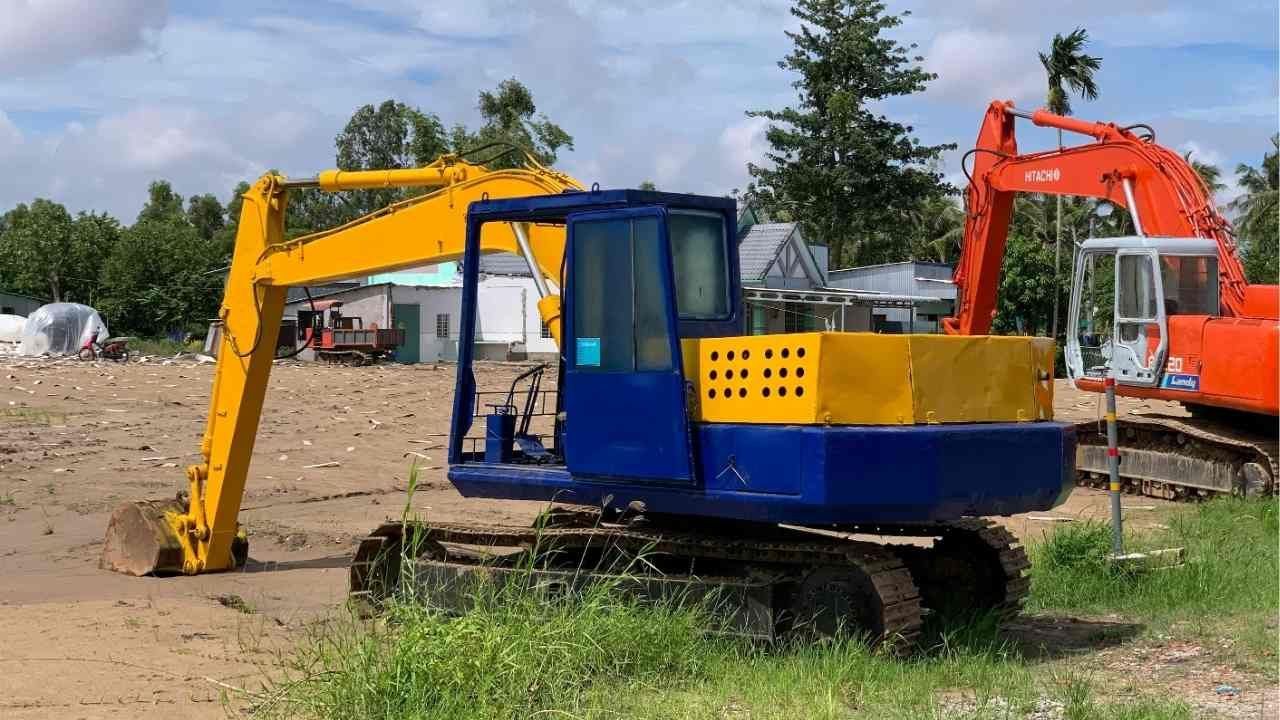
Excavation clears and shapes the ground to support footings, utility lines, and proper drainage. It ensures the weight of stone, concrete, appliances, and countertops is distributed evenly. Without this step, even high-end materials won’t last.
This is also where experienced crews like Groundscapes Inc. separate themselves from DIY builds and cut-rate contractors who focus only on what’s visible.
What the Excavation Phase Actually Involves
Homeowners often underestimate how technical excavation really is. It’s not just digging a hole and pouring concrete. A proper excavation phase includes:
- Site evaluation and soil assessment to determine load capacity
- Precise depth measurements for frost protection and structural stability
- Grading and leveling to prevent water pooling
- Trenching for gas, water, and electrical lines
- Base preparation using compacted gravel or stone
This process creates a foundation that stays level through seasonal changes. Skipping steps or guessing depths is how patios sink and countertops crack within a few winters.
Professionals understand local codes and soil conditions, something companies specializing in excavation are trained to handle, not improvise.
Drainage and Utilities Start Below Ground
Outdoor kitchens combine heat, water, and electricity, which means excavation isn’t just structural—it’s functional. Drainage must be planned so rainwater flows away from cooking areas and foundations. Utility lines need correct spacing and protection to avoid future hazards.
If excavation doesn’t account for slope and runoff, water will eventually undermine the base. That leads to shifting pavers, loose stone, and expensive tear-outs. A well-executed excavation phase prevents these issues before they start.
A Short Case Study: The Cost of Cutting Corners
A homeowner planned a stone outdoor kitchen with a built-in grill and sink. To save money, excavation was kept shallow and drainage was ignored. The first winter caused frost heave, lifting one corner of the structure. By spring, the countertop had cracked and water pooled near the gas line.
The fix required full demolition and re-excavation, costing nearly twice the original budget. The lesson was simple: excavation isn’t where you save money; it’s where you protect it.
The Smart Way to Move Forward
Outdoor kitchens are long-term investments. Done right, they add real value, function, and enjoyment to your property. Done wrong, they become constant maintenance problems.
Excavation isn’t glamorous, but it’s the phase that determines whether your outdoor kitchen lasts five years or twenty-five. If you’re planning to build, start with the ground, because everything above it depends on what’s underneath.
Next step: Talk to a professional who understands excavation, soil conditions, and long-term performance before you finalize your outdoor kitchen design.
You might also like