How to Spot Signs Your Septic Lines Need Excavation
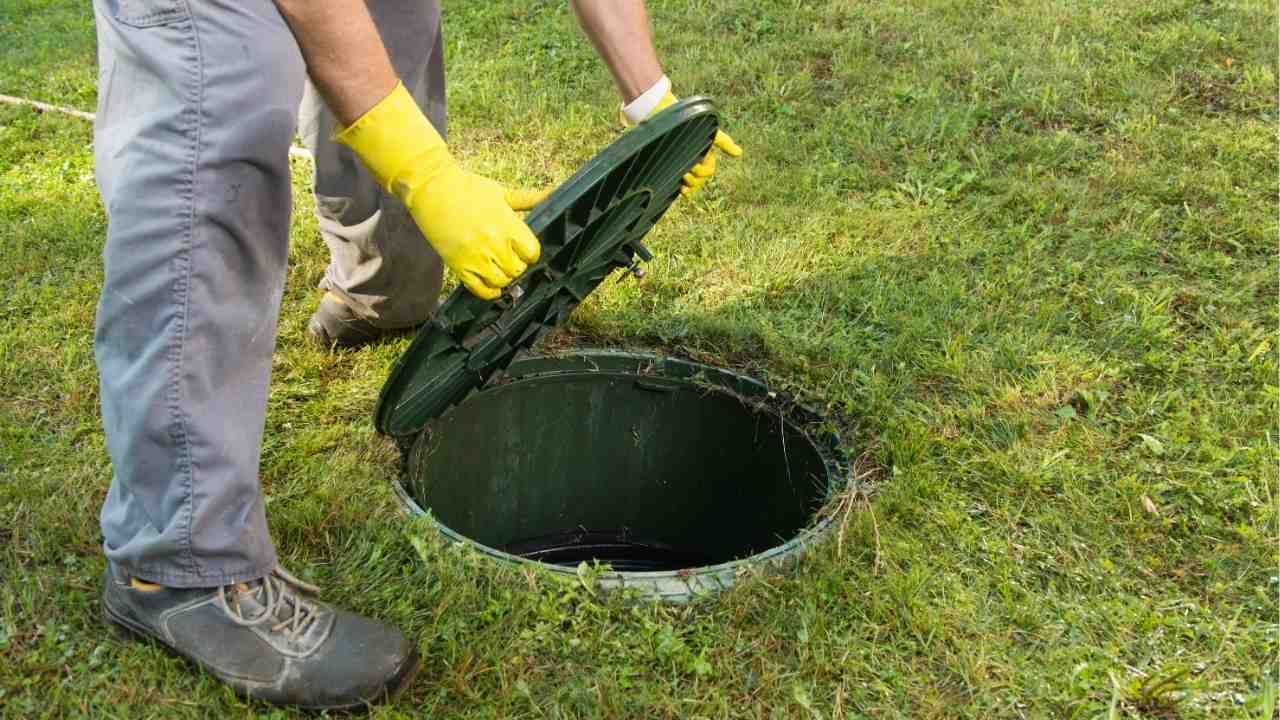
Most septic problems don’t start with a dramatic failure. They start quietly: slow drains, soggy patches in the yard, or odors you try to ignore. The trouble is, by the time the system fully backs up, the damage (and cost) has already piled up. Knowing the early warning signs can save you serious money and stress, especially if you rely on professional septic service Spencer MA homeowners trust to diagnose issues before they spiral.
In this article, you’ll learn the most common signs your septic lines may need excavation, why surface fixes often don’t work, and when it’s time to stop guessing and start digging.
Slow Drains That Keep Coming Back
A single slow drain isn’t a crisis. But if multiple drains in your home are sluggish, and plungers or drain cleaners barely help, that’s a red flag. Persistent drainage issues usually point to damaged or collapsed septic lines underground.
Tree roots, shifting soil, or aging pipes can cause blockages that no amount of snaking will fix. When backups keep returning, excavation may be the only way to access and repair the compromised section properly.
Standing Water or Soggy Patches in the Yard
Your yard should not feel like a sponge. Wet areas, unexplained puddles, or unusually lush grass near septic lines often signal a leak below the surface. This happens when wastewater escapes cracked or broken pipes.
These leaks don’t just damage your lawn, they can contaminate surrounding soil. Companies like Groundscapes Inc. often find that excavation is necessary once soil saturation becomes visible, because the pipe integrity is already compromised.
Foul Odors Inside or Outside the Home
Septic smells are never “normal.” If you notice sewage odors near drains, in your basement, or outside near the tank or drain field, that’s a strong indicator of a failing line.
Odors mean gases or wastewater are escaping where they shouldn’t. At this stage, surface-level fixes won’t cut it. The affected lines usually need to be exposed and repaired, which requires excavation.
Sewage Backups or Gurgling Sounds
This is the point where homeowners wish they’d acted sooner. Gurgling toilets, bubbling drains, or sewage backing up into tubs or sinks typically mean the line is partially or fully blocked.
When blockages are caused by pipe collapse or severe root intrusion, excavation becomes unavoidable. This is where experienced plumbing and excavation professionals step in to locate the damage and replace the affected section safely.
A Quick Case Study: Catching the Problem Early
A homeowner noticed slow drains and a persistent odor near their yard drain but delayed action. Within weeks, sewage backed up into their basement. After inspection, contractors discovered a collapsed septic line caused by root intrusion. Early excavation would have limited the repair to a small section. Waiting turned it into a full-line replacement, doubling the cost and extending downtime. Lesson learned: early signs are cheaper than emergencies.
When Excavation Is the Smart Move
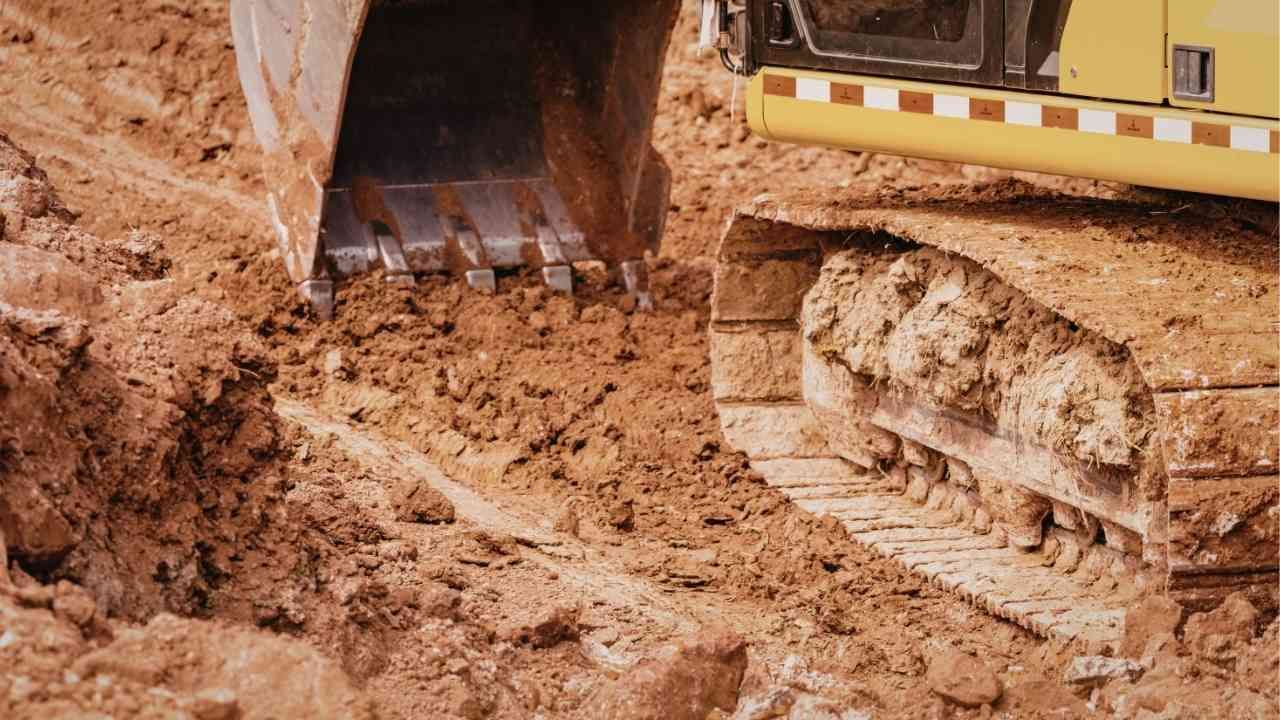
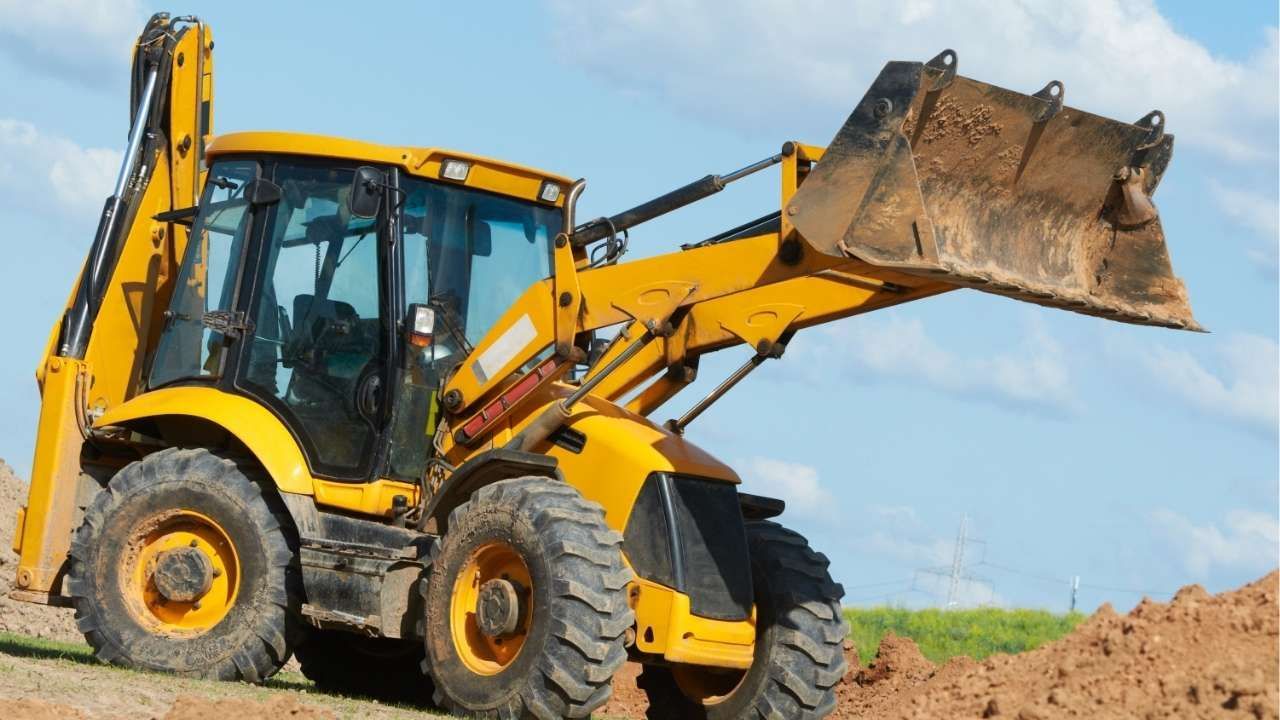
Excavation sounds intimidating, but sometimes it’s the most efficient solution. It allows technicians to:
- Visually confirm pipe damage
- Remove collapsed or root-filled sections
- Prevent recurring backups and leaks
- Protect your home’s foundation and soil health
Temporary fixes often mask the real issue. Excavation fixes it at the source.
Final Thought
If you’re seeing recurring drainage issues, yard saturation, or sewage odors, don’t wait for a full system failure. The smartest move is to get a professional evaluation and act early. Catching septic line damage before it worsens can save thousands and a whole lot of mess.
Next step:
Schedule a professional inspection and address the problem while it’s still manageable.
You might also like