Getting Ready to Build Something New?
Excavation Sitework Contractor In Spencer, MA
We proudly offer comprehensive excavation services in Spencer, backed by a team dedicated to precision, safety, and quality. Count on us as your trusted partner for all excavation sitework needs, ensuring your project’s success from start to finish.
Get A Quote
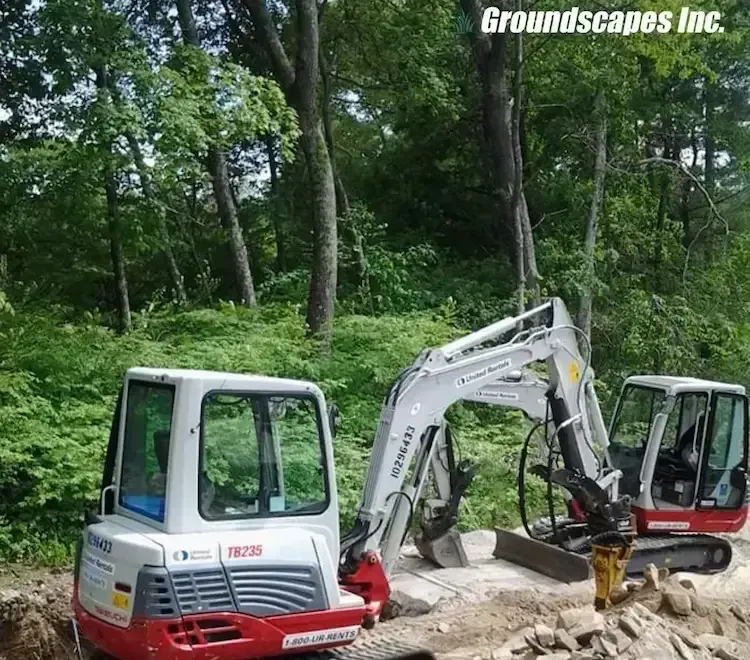
Work With the Team That Does It All
PROVIDING HARDSCAPE INSTALLATION AND EXCAVATION SERVICES IN WORCESTER, SPENCER & LEICESTER, MA
Stop searching for separate companies to complete your exterior improvements, and start working with a company that handles it all. Groundscapes Inc. offers land clearing, hardscaping, landscaping, snow plowing, septic systems, and excavation services.
You can trust our dedicated excavation contractor in Spencer to manage your exterior improvements seamlessly, handling everything from inception to completion. Whether you're envisioning a stunning hardscape installation or require precise excavation services in Spencer, we have the expertise and solutions tailored to your needs.
At Groundscapes, client satisfaction is paramount. We prioritize clear communication and top-notch results in residential excavation services and commercial excavation services in Spencer. Our excavation sitework contractor is not only skilled but also passionate about transforming landscapes in Worcester, Spencer, and Leicester, MA.
When you choose Groundscapes Inc., you're opting for a partner committed to excellence.
Are you ready to discuss your project? Contact us today at (508) 612-8796 to schedule an appointment. Let us bring your exterior improvement vision to life with precision and professionalism. Transform your outdoor space with our grading and excavation contractor, where your satisfaction meets our expertise in Worcester, Spencer, and Leicester, MA. Your all-encompassing excavation company in Spencer is just a call away.
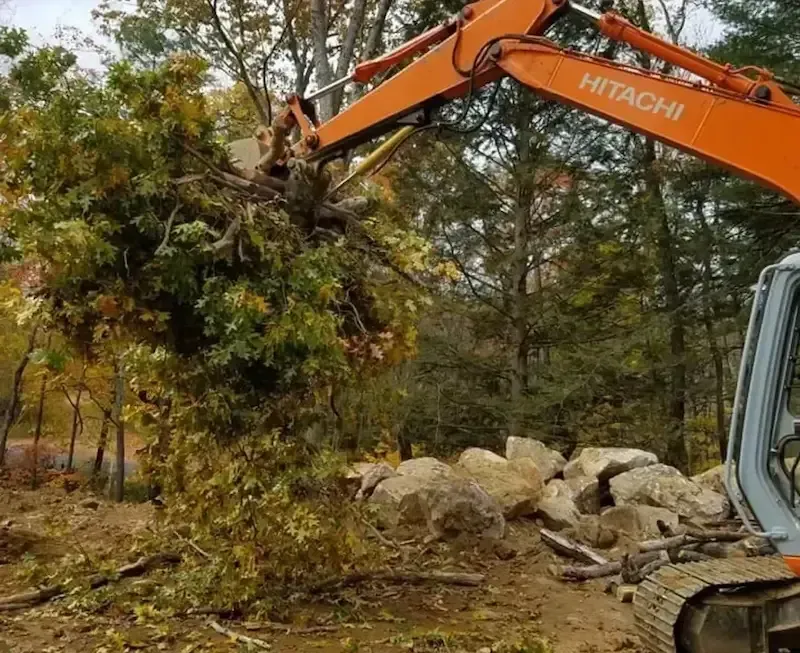
Is Spencer MA a good place to live?
Spencer, MA, is a charming town in Worcester County with a population of about 11,955. It offers a suburban feel, with most residents owning homes. The town features abundant parks, making it ideal for outdoor enthusiasts. With a median home value of $333,400 and median rent of $1,077, Spencer provides affordable living options. The community is diverse, with many young professionals, and has a relatively safe environment. While public schools have room for improvement, Spencer’s natural beauty and suburban tranquility make it a pleasant place to live.
We take pride in serving the Spencer community by enhancing its outdoor spaces. Our landscaping, excavation, and hardscaping services help homeowners make the most of their properties, whether through stunning landscapes or expert site preparation. We understand Spencer’s terrain and work to create functional, beautiful outdoor environments. Contact us today to see how we can transform your property in this wonderful town!
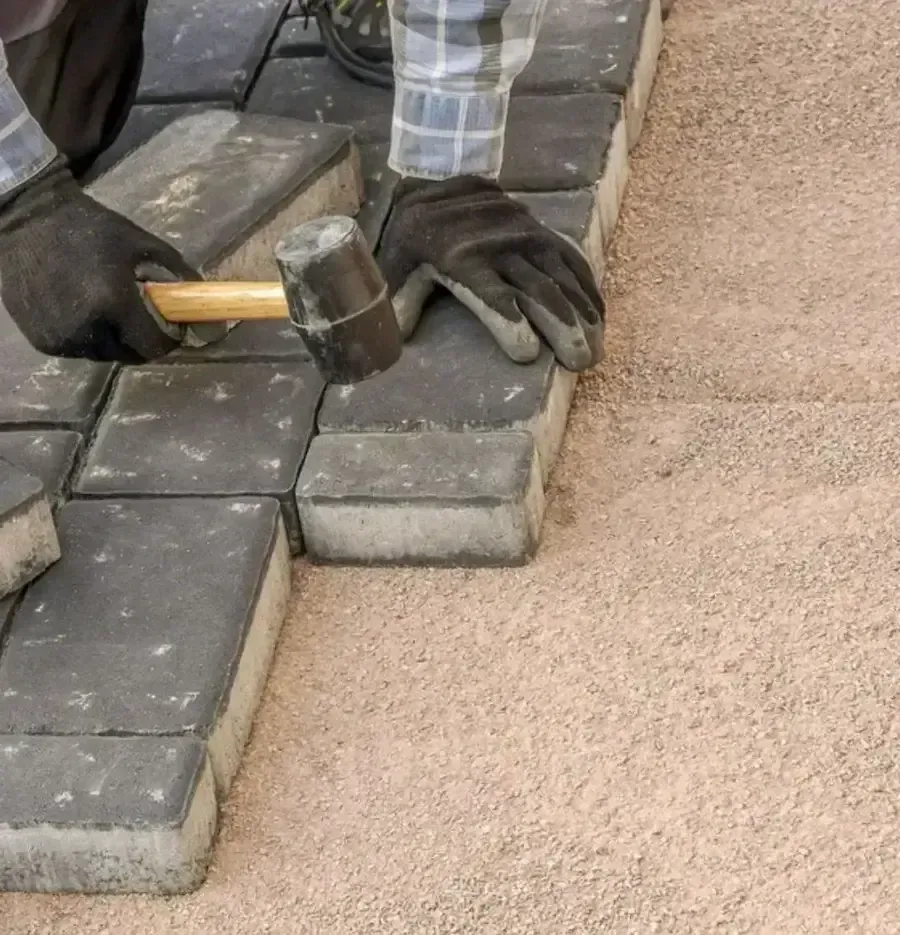
Take Your Yard to New Heights With Hardscape Installation
ENHANCE YOUR PROPERTY IN WORCESTER, SPENCER & LEICESTER, MA WITH A RETAINING WALL
Our Services
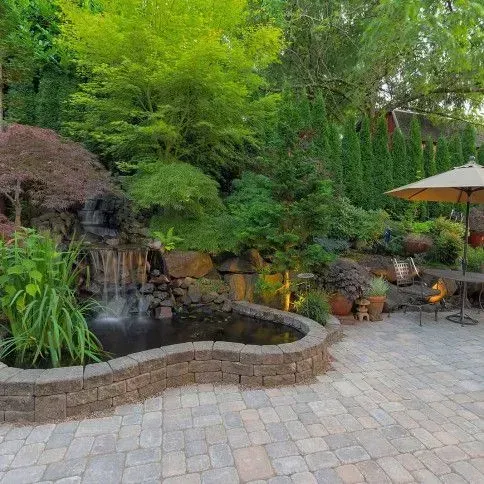
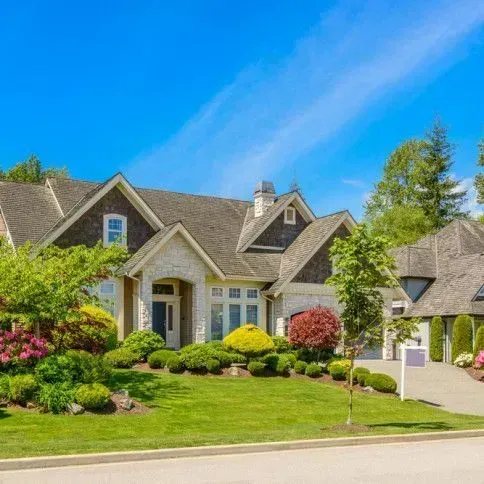
We provide reliable excavation, landscaping, hardscaping, land clearing, septic system, and snow removal services tailored to residential and commercial properties throughout Worcester, Spencer, and Leicester, MA.


ELEVATE YOUR OUTDOORS WITH GROUNDSCAPES INC.
A Trusted Choice for Exceptional Landscaping in Spencer, MA
Expertise and Experience
Groundscapes Inc. boasts a team of seasoned professionals with a wealth of experience in the landscaping industry. Our experts, including skilled designers, horticulturists, and craftsmen, bring a level of expertise that ensures every project is executed with precision and creativity. With years of hands-on experience, we have honed our skills to meet the diverse needs of our clients, making us the go-to choice for landscaping solutions in Spencer, MA.
Personalized Solutions
At Groundscapes Inc., we understand that every property is unique, and each client has distinct preferences. Our personalized approach involves close collaboration with our clients, ensuring that your vision, lifestyle, and expectations are at the forefront of our designs. We believe that the best landscapes are crafted through a partnership between our experts and our clients, making your outdoor dreams a reality.
Quality Craftsmanship
Quality is at the core of what we do. Groundscapes Inc. is committed to using top-notch materials and employing skilled craftsmanship in every project. Whether it's selecting the right plants, installing durable hardscape features, or implementing sustainable practices, we adhere to the highest standards of quality. Our commitment to excellence extends beyond aesthetics, ensuring that your landscape not only looks beautiful but also stands the test of time.
Timely Project Completion
Recognizing the significance of your time, Groundscapes Inc. prioritizes efficiency through streamlined processes and robust project management practices. Our commitment is to ensure that projects are completed promptly without sacrificing the high standards of quality that define our work. Our dedication to delivering timely and exceptional results is ingrained in our approach, reflecting our respect for your time and our commitment to providing an outstanding landscaping experience in our service areas.
Comprehensive Services
Groundscapes Inc. is your one-stop destination for a complete range of landscaping services. From initial design concepts to ongoing maintenance, we offer a comprehensive solution for residential and commercial properties alike. Whether you're looking for a total landscape overhaul, regular lawn maintenance, or specialized hardscape installation, our expertise spans the entire spectrum of landscaping needs, ensuring a seamless and satisfying experience for our clients.
Customer Satisfaction
At Groundscapes Inc., your satisfaction is our top priority. We measure our success by the happiness and satisfaction of our clients. Our commitment to clear communication, transparency, and a dedication to exceeding your expectations sets us apart. Beyond the completion of a project, we aim to build lasting relationships, becoming your trusted partner for all your present and future landscaping needs.
Steps to Hiring the Best Excavation Contractor in Spencer
1
Define Your Project Scope
The first crucial step in hiring an excavation contractor near me in Spencer is to clearly define the scope of your project. Whether it's a residential landscaping endeavor or a large-scale construction project, understanding the specific requirements of your project is fundamental. Take the time to detail excavation depths, site access points, timelines, and any unique challenges your project may pose. By having a comprehensive understanding of your project, you can effectively communicate your needs to potential contractors. This step ensures that you choose a contractor for your big or small excavation services with the expertise and equipment necessary to execute your vision seamlessly.
2
Research and Verify Credentials
Once you've defined your project scope, it's time to research and identify potential excavation contractors in Spencer, MA. Seek recommendations from local industry professionals, friends, or colleagues to compile a list of reputable contractors. Take advantage of online reviews and testimonials to gauge the satisfaction levels of previous clients. At Groundscapes, our credentials and client testimonials speak volumes about our dedication to excavation excellence and client satisfaction. Groundscapes Inc. takes pride in our established reputation, built on the satisfaction of our clients who have experienced the quality of our excavation services in Spencer.
3
Evaluate Experience and Equipment
The experience and equipment of an excavation contractor play a pivotal role in the success of your project. Groundscapes Inc. brings years of experience in serving excavation in the Spencer, MA, community, offering a portfolio of successful projects across various scales and complexities. Our team is well-versed in handling diverse excavation services near me in Spencer, from small-scale residential projects to more extensive commercial undertakings.
4
Request and Compare Quotes
With a narrowed-down list of potential contractors, the final step is to request and compare quotes. Groundscapes Inc. believes in transparency, and our detailed quotes provide a clear breakdown of costs, including labor, materials, equipment rental, and any additional fees. While cost is a significant factor, we encourage our clients to consider the overall value provided by the contractor. By comparing quotes, you can make an informed decision, weighing not only the financial aspect but also the contractor's reputation, experience, and commitment to quality.
Exterior Improvements FAQs
Hi there! Have some questions about our company? Find the answers below.
What are your business hours?
Our team is available to assist you throughout the week with convenient scheduling for consultations and service inquiries. Groundscapes Inc. business hours are Monday through Friday from 7:00 AM to 7:00 PM, Saturday from 7:00 AM to 5:00 PM, and Sunday from 9:00 AM to 3:00 PM.
How do exterior improvements impact property values in Spencer, MA?
Exterior improvements can raise property values in Spencer, MA by enhancing curb appeal and outdoor functionality. Features like patios, walkways, retaining walls, landscaping, and outdoor lighting create a more attractive and welcoming property. Well-maintained exterior spaces also help homes stand out to buyers and may contribute to stronger resale potential in the local market.
Can you provide examples of outdoor projects completed?
Yes, many outdoor contractors provide examples of completed projects to showcase their craftsmanship and design capabilities. These may include patios, walkways, retaining walls, landscaping, outdoor kitchens, fire pits, drainage solutions, and complete backyard transformations. Viewing past projects helps homeowners gather ideas, compare styles, and better understand the quality and scope of available outdoor improvement services.
What sets Groundscapes Inc. apart from other landscaping companies in Spencer?
Groundscapes Inc. stands out in Spencer through its focus on quality craftsmanship, personalized outdoor designs, and reliable customer service. The company works closely with homeowners to create functional and visually appealing outdoor spaces tailored to each property. Attention to detail, professional project management, and experience with landscaping and hardscaping services help distinguish their work locally.
How does Groundscapes Inc. assure the timely completion of projects?
Groundscapes Inc. helps assure timely project completion through careful planning, organized scheduling, and clear communication throughout each phase of work. Their team coordinates materials, labor, and project timelines efficiently to minimize delays. Regular updates and attention to detail also help keep landscaping and outdoor improvement projects moving smoothly from start to finish.
WHAT MAKES GROUNDSCAPES INC. YOUR LEADING CHOICE?
Since 2006, we've provided top-quality services for homeowners and business owners in the area. When you hire us, you're making the right choice because:
We're licensed and insured with full workers' compensation
We guarantee complete satisfaction with each service
We go above and beyond to exceed our clients' expectations
We make sure to respond to all inquiries and answer any questions
Schedule your hardscape installation or patio installation in Worcester, Spencer & Leicester, MA today. (508) 612-8796

There's No Job Our Excavating Contractor Can't Handle
PROVIDING FREE ESTIMATES ON ALL SERVICES
There's No Job Our Excavating Contractor Can't Handle
PROVIDING FREE ESTIMATES ON ALL SERVICES
Quick & Reliable
Prompt, Dependable, Prepared Anytime, Any Service!

Groundscapes Inc. offers top-quality solutions for excavation & land clearing services as well as patio or retaining wall installation, landscaping & more in Worcester, Spencer & Leicester, MA
Working hours
Mon - Fri
Saturday
Sunday
7:00 am - 7:00 pm
7:00 am - 5:00 pm
9:00 am - 3:00 pm
Navigation
SERVICES