The 5 Key Elements of a Well-Landscaped Garden
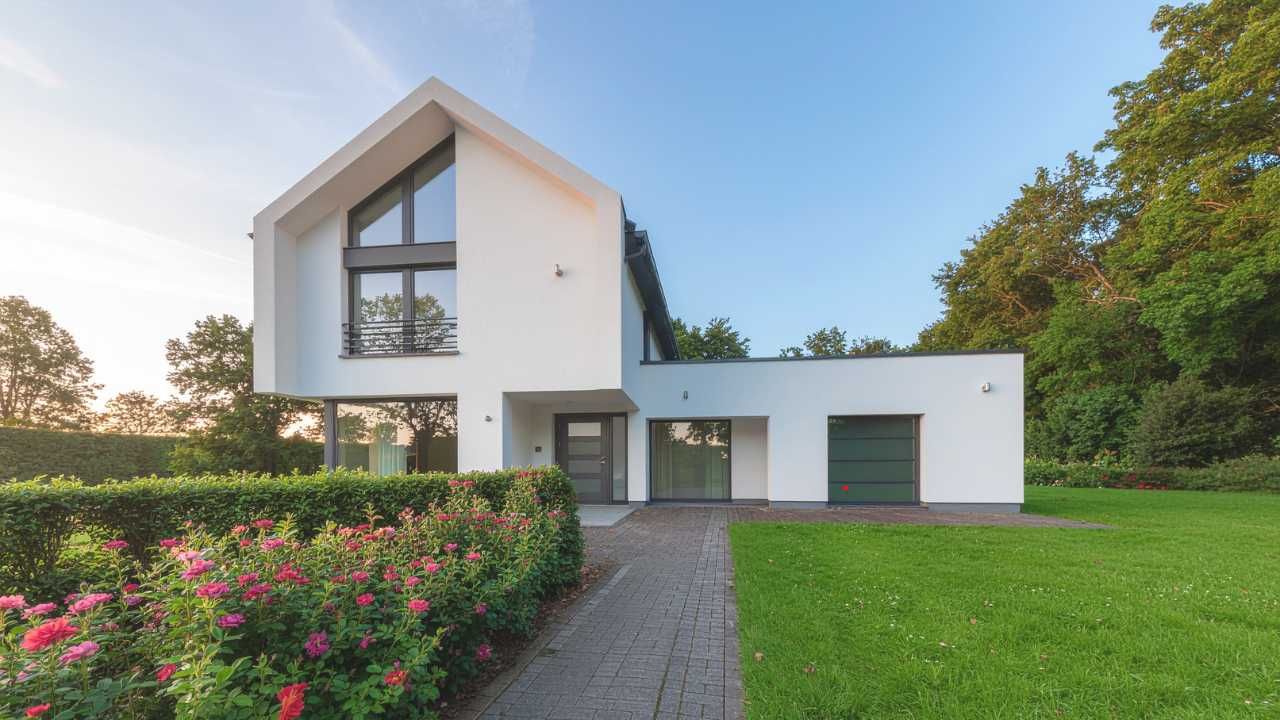
A great garden doesn’t happen by accident. It’s planned, built with intention, and designed to work with your property, not fight it. When landscaping is done right, it boosts curb appeal, adds usable space, and saves you money on maintenance down the road.
In this article, you’ll learn the five core elements that separate an average yard from a truly well-landscaped garden. Whether you’re starting from scratch or fixing a messy outdoor space, these principles apply across the board, including properties investing in landscaping in Spencer MA with experienced crews like Groundscapes Inc. or working alongside a professional excavation contractor to get the foundation right.
1. A Clear, Functional Layout
Before plants, stones, or soil come into play, the layout matters most. A well-landscaped garden starts with defined zones: areas for walking, relaxing, planting, and entertaining. Without structure, even expensive landscaping looks chaotic.
A strong layout:
- Guides foot traffic naturally
- Separates active and quiet spaces
- Accounts for drainage and sun exposure
Paths, borders, and open space should feel intentional, not accidental.
2. Healthy Soil and Proper Grading
This is where many gardens fail, and fast. Poor soil and improper grading lead to pooling water, dying plants, and erosion. If the ground isn’t right, nothing on top of it will last.
Key fundamentals include:
- Soil that drains well but holds nutrients
- Grading that directs water away from structures
- A stable base for patios, walkways, and retaining walls
Skipping this step is a guaranteed redo in a few years.
3. Balanced Plant Selection
More plants don’t mean better landscaping. Smart plant selection focuses on balance: size, color, growth rate, and seasonal interest. The goal is a garden that looks good year-round, not just in spring.
Well-balanced gardens use:
- A mix of evergreen and seasonal plants
- Native species that thrive locally
- Proper spacing to avoid overcrowding
Plants should enhance the space, not overwhelm it.
4. Hardscaping That Supports the Design
Hardscape elements are the backbone of a landscaped garden. Patios, stone paths, retaining walls, and edging provide structure and durability while reducing long-term maintenance.
Effective hardscaping:
- Defines spaces clearly
- Prevents erosion and soil movement
- Adds visual contrast to greenery
When hardscaping is poorly planned, it sticks out. When done right, you barely notice it because it just works.
5. Long-Term Maintenance Planning
A beautiful garden that’s impossible to maintain isn’t a success, it’s a liability. The best landscapes are designed with upkeep in mind from day one.
Low-maintenance planning includes:
- Mulch and ground cover to suppress weeds
- Irrigation systems matched to plant needs
- Materials that age well instead of breaking down
The goal is sustainability, not constant repairs.
Short Case Study: From Problem Yard to Functional Garden
A homeowner struggled with standing water, uneven ground, and plants that never survived past one season. The fix started below the surface, regrading the yard, improving drainage, and rebuilding the soil base. Once the foundation was corrected, defined planting beds and stone walkways were added to control traffic and water flow. The result wasn’t flashy, it was functional, clean, and durable. Two years later, the garden still looks intentional, not improvised, and maintenance costs dropped significantly.
Final Thoughts
A well-landscaped garden isn’t about trends or fancy plants. It’s about structure, soil, balance, and planning for the long haul. Get those five elements right, and everything else falls into place.
If you’re serious about transforming your outdoor space, start with a solid plan and get in touch with professionals who understand what’s happening below the surface as much as what shows above it.
You might also like